
Snowdonia National Park is known for its breathtaking landscapes, rugged mountains, and serene lakes, but in winter, the park takes on a unique charm that’s even more magical. With a dusting of snow and quieter trails, Snowdonia transforms into a winter wonderland – and a fantastic place for spotting unique wildlife. If you’re visiting Snowdonia in winter, here’s a guide to some incredible Welsh wildlife to watch out for during the colder months.
Red Kites
Once near extinction, red kites have made an impressive comeback in Wales, and winter is an excellent time to spot these magnificent birds of prey. Known for their graceful flight and forked tails, red kites soar over Snowdonia’s valleys and hillsides in search of food. In winter, with trees bare of leaves, it’s easier to catch sight of them against the open sky.
Best Places to Spot: Keep an eye out along the forest edges and over valleys. They’re especially common near Llanberis and often spotted near feeding stations in the area.
Mountain Hares
The elusive mountain hare is one of Snowdonia’s most iconic winter residents. During the colder months, these hares moult to a stunning white coat that blends with the snowy landscape. Although difficult to spot, their distinctive hopping tracks can be a giveaway.
Best Places to Spot: Higher altitudes are your best bet; try the slopes of Carneddau and other mountainous areas. Dusk and dawn are prime times to catch them active.
Choughs
With their striking red beaks and legs, choughs are easy to recognise if you’re lucky enough to spot one. These members of the crow family thrive in coastal and mountainous regions, and Snowdonia’s rugged cliffs and slopes provide a perfect habitat. Choughs are known for their playful aerial acrobatics, which can make spotting them a memorable experience.
Best Places to Spot: They’re often found around the coastal cliffs of Snowdonia, especially in areas near Aberdaron and around the Llyn Peninsula.
Snow Buntings
Snow buntings are winter visitors to Wales, coming down from the Arctic to escape the harsher conditions further north. These small, hardy birds gather in flocks and forage for food on the ground. Their fluffy white feathers make them look perfectly adapted for the snowy surroundings.
Best Places to Spot: Look around the shoreline of Snowdonia’s lakes or near mountain trails. Keep an eye out for small flocks, especially around areas like Llyn Ogwen.
Atlantic Grey Seals
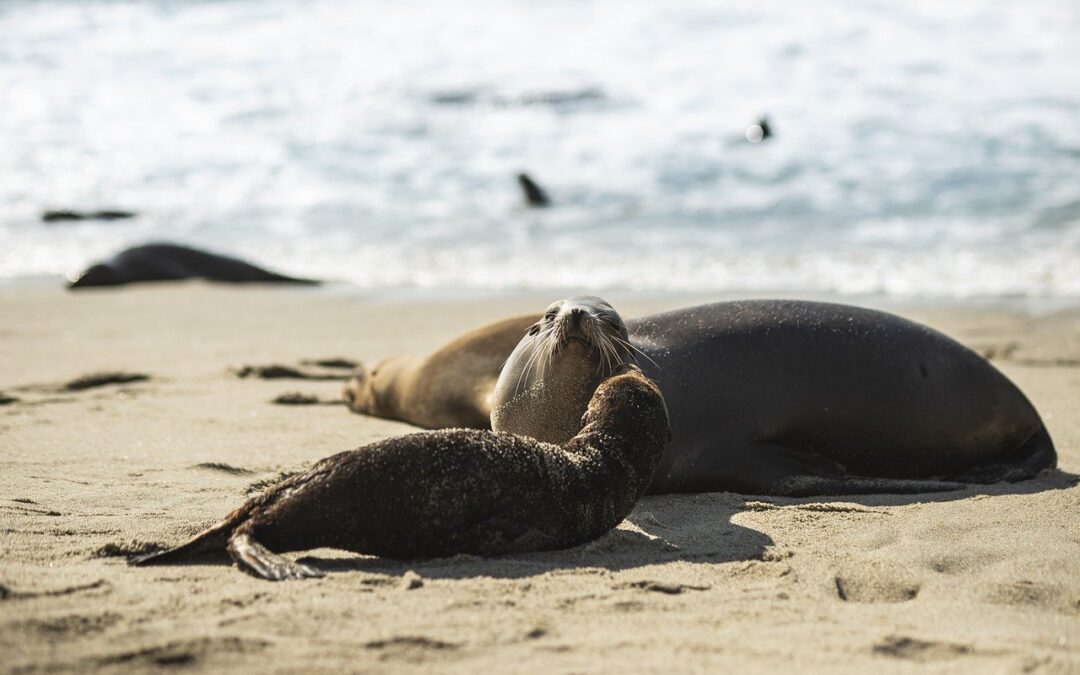
While seals aren’t exclusive to Snowdonia, a winter walk along the Welsh coast can give you an excellent chance to spot Atlantic grey seals basking on rocky shores or even bobbing in the water. Winter is breeding season for seals, so you may even catch a glimpse of a fluffy white seal pup.
Best Places to Spot: Head toward the nearby coastline, particularly along the northern coast near Conwy Bay and Anglesey, which often sees large gatherings of these charming marine mammals.
Peregrine Falcons
The peregrine falcon, known as the world’s fastest bird, thrives in Snowdonia’s craggy terrain. Winter is a great time to spot these hunters as they patrol open areas and cliff faces. Their speed and agility in flight are mesmerising to watch, especially if you’re lucky enough to see them dive.
Best Places to Spot: Check the cliffs and ledges around Snowdon itself and other rocky outcrops in the park. They often nest and hunt in high-altitude areas where prey is plentiful.
Red Deer
While red deer are famously associated with the Scottish Highlands, they are also found in parts of Snowdonia. In winter, you may see small herds foraging in sheltered areas. Their thick winter coats and distinctive antlers make them a beautiful sight against the snowy Welsh landscape.
Best Places to Spot: Look in forested areas at lower elevations, such as around Beddgelert Forest, where they often graze in the quieter winter months.
Otters
Although elusive, otters can sometimes be seen in Snowdonia during the winter months, especially around dawn or dusk. With quieter rivers and lakes, these shy creatures can be more visible as they search for fish and play along the water’s edge. Look for footprints along muddy banks and telltale slide marks along riverbanks.
Best Places to Spot: Try areas around Llyn Padarn or Llyn Tegid (Bala Lake), and keep your eyes peeled for their distinctive tracks along the water’s edge.
Tips for Winter Wildlife Watching in Snowdonia
- Dress Warmly: Welsh winters can be cold, so layer up with warm, waterproof clothing. Good boots are essential, especially if you’re planning to hike in snowy or icy areas.
- Pack Binoculars: Wildlife can be elusive, so binoculars are helpful for spotting animals without disturbing them.
- Be Patient and Quiet: Many animals are shy, so keep noise to a minimum and approach potential viewing areas slowly.
- Stick to Marked Trails: Snowdonia is a delicate environment, especially in winter, and following trails minimises impact on wildlife habitats.
- Check Local Regulations: Certain areas of the park may have restricted access during winter months, so check with Snowdonia National Park for the latest information.
Winter in Snowdonia offers a rare opportunity to connect with nature in one of Wales’ most pristine landscapes. From the striking red kites above to the hidden otters below, there’s plenty of Welsh winter wildlife to discover if you know where to look. So, bundle up, head out, and enjoy the wild side of Snowdonia this winter!